
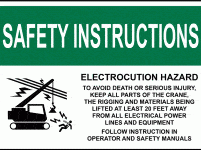
Safety Talks – Safety Signage
Safety Color Coding for marking physical hazards and Accident Prevention Signs is a standard way to identify hazards and visually communicate information. READ MORE...
Safety Color Coding for marking physical hazards and Accident Prevention Signs is a standard way to identify hazards and visually communicate information. READ MORE...
As of January 24th, penalties resulting from safety violations have increased for employers. The increases apply to citations issued after that date and for the remainder of 2019. READ MORE...

Keep in mind that workplace safety rules are developed and enforced to protect you and make certain you go home healthy and safe at the end of every work day. READ MORE...
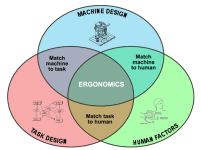
Unlike injuries from falls, electrocution, or other serious hazards, musculoskeletal disorders don’t seem very serious when they first show up. They start with minor discomfort in the early stages. READ MORE...

Introduction The Workplace Hazardous Materials Information System (WHMIS), Canada’s hazard communication standard, came into effect on October 31, 1988. The key elements of the system are hazard classification, cautionary labelling of containers, the provision of (material) safety data sheets ((M)SDSs), and worker education programs. On February 11, 2015, the Government released final regulations, the Hazardous Products […] READ MORE...