
SDS for Ethanol: Your Safety Toolkit Begins Here
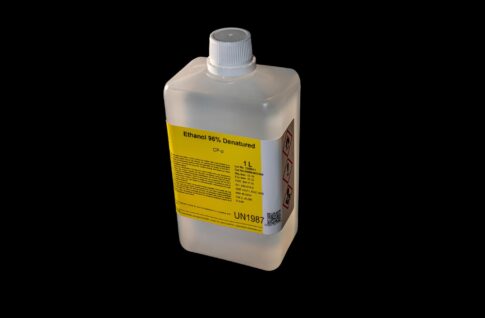
The SDS for ethanol helps you recognize ethanol hazard classifications and understand the risks linked to the chemical. It also explains essential ethanol first aid steps and outlines firefighting measures and vapor explosion limits. The document also covers safe ethanol handling and storage practices and effective spill containment procedures.
A post by RFA, citing the Energy Information Administration, reports that U.S. ethanol production reached 16.49 billion gallons in 2025, a record high. Rising production reflects growing demand from fuel producers, manufacturers, laboratories, and sanitation industries.
As one of these workplaces, you may encounter ethanol during cleaning, processing, or production tasks. Understanding ethanol safety guidelines becomes important when working with flammable solvents and chemical vapors.
Are They SDS or MSDS?
Many people still refer to chemical safety documents as MSDS, though modern regulations use SDS. Older Material Safety Data Sheets followed different formats depending on the manufacturer. Safety Data Sheets introduced a standardized sixteen-section structure under global chemical classification rules.
The safety data sheet ethanol format helps workers locate important safety information, such as:
- Hazards
- Protective measures
- Emergency guidance
- Safe handling practices
- First aid instructions
Clear organization allows workers to quickly locate safety details during routine tasks or emergencies. Consistent layouts also improve communication between manufacturers, safety teams, and employees handling hazardous chemicals.
Which Chemicals Require SDS?
Safety regulations require an SDS for any hazardous chemical used in workplaces. Many chemicals require documented safety information because they present hazards such as:
- Health risks
- Fire hazards
- Environmental dangers
- Toxic exposure
- Reactivity concerns
Organizations maintain SDS documents to support training and emergency preparedness programs. Access to SDS information strengthens chemical safety compliance and helps employees recognize hazards during routine work activities.
SDS for Ethanol Safety Basics
Workers often encounter ethanol when cleaning equipment, preparing materials, or supporting production processes. Flammable vapors increase safety concerns in busy workplaces.
Companies using ethanol often benefit from guidance provided by experts like Kelleher, Helmrich, and Associates, Inc. (KHA). Our team helps companies organize SDS records and strengthen safety awareness through reliable SDS management systems.
Recognizing Ethanol Hazard Classifications
Hazard classification sections explain how ethanol affects health, safety, and the environment. Labels and pictograms identify flammability hazards linked to ethanol vapor ignition risks. Workers often review hazard symbols before starting tasks involving flammable solvents.
Clear hazard communication supports safer decision-making across laboratories and production environments. Many facilities also develop workplace policies based on ethanol safety guidelines described in SDS documentation.
Essential Ethanol First Aid Steps
First aid guidance explains how to respond after accidental ethanol exposure during routine workplace activities. Eye contact, inhalation, or skin exposure may cause irritation when workers handle solvents. SDS sections describe practical response actions that:
- Limit injury
- Support faster recovery
- Reduce exposure effects
- Guide immediate treatment
- Help stabilize affected workers
First aid instructions also help employees recognize symptoms linked to chemical exposure. Familiarity with these steps strengthens emergency preparedness and improves response during unexpected incidents involving ethanol.
Firefighting and Vapor Explosion Limits
Ethanol vapors ignite easily when exposed to:
- Sparks
- Heat
- Open flames
- Static discharge
- Hot surfaces
Firefighting sections explain extinguishing methods and protective equipment used during chemical fires. Safety information also lists vapor explosion limits that help workers understand ignition risks.
Many workplace safety programs follow OSHA ethanol standards that promote ventilation, hazard labeling, and emergency response preparation. Facilities handling flammable chemicals often maintain emergency plans based on SDS guidance.
Effective Spill Containment Procedures
Spill response sections describe how to contain and clean ethanol safely during accidental releases. Workers often use absorbent materials and protective equipment when responding to spills. Proper ventilation reduces vapor accumulation during cleanup activities.
Emergency response procedures help prevent small spills from becoming larger safety incidents. Organized response steps also protect employees from exposure during cleanup tasks. Regular training and safety drills improve workplace readiness for chemical spills.
Safe Ethanol Handling and Storage
Handling sections explain practical steps that reduce exposure risks during routine work activities. Proper ethanol handling and storage practices help:
- Prevent spills
- Reduce vapor buildup
- Lower ignition hazards
- Maintain stable storage conditions
- Improve workplace safety
Storage areas remain cool, ventilated, and separated from incompatible materials. Workers often store ethanol in approved flammable cabinets or designated chemical rooms. Organized storage systems help maintain safer conditions in laboratories and manufacturing environments.
Frequently Asked Questions (FAQs)
How Does Ethanol Affect Air Quality in Enclosed Work Environments?
Ethanol evaporates quickly and releases vapors that accumulate in poorly ventilated work areas. High vapor concentrations may irritate the eyes, nose, or respiratory system during prolonged exposure.
Vapors also increase flammability risks in enclosed environments where ignition sources exist. Ventilation systems help control vapor levels and improve air quality inside laboratories or production spaces.
What Transportation Regulations Apply When Shipping Ethanol Between Facilities?
Transportation rules classify ethanol as a flammable liquid that requires special handling during shipment. Regulatory agencies set transportation requirements that include:
- Proper packaging
- Clear labeling
- Hazard documentation
- Emergency contact details
- Transport classification markings
Containers must meet approved safety standards that reduce leakage or ignition risks. Shipping documents also include hazard classifications and emergency response instructions. Following transportation regulations protects workers, carriers, and facilities that move ethanol between manufacturing, storage, or distribution locations.
How Can Digital SDS Systems Improve Workplace Chemical Record Management?
Digital SDS systems store chemical safety documents in organized and searchable online databases. Workers can quickly locate safety data sheets during routine tasks or emergency situations. Automated systems track updates and notify teams when manufacturers release revised documents.
Centralized records improve access to safety information across departments and facilities. Digital management tools also support compliance efforts by maintaining accurate chemical documentation and organized workplace safety records.
SDS for Ethanol Safety and Compliance
Understanding the SDS for ethanol helps you recognize hazards, review emergency steps, and manage safe chemical practices. Clear guidance inside the document also explains storage precautions, spill response procedures, and everyday safety considerations for ethanol use.
At Kelleher, Helmrich and Associates, Inc. (KHA), our company offers advanced SDS management systems and chemical safety solutions. Established in 1985, we bring over 40 years of knowledge in SDS management technology and safety data systems. In 2014, our SDS management platform received the Product of the Year award from OH&S Magazine.
Our tools also support mobile access, integrated chemical tracking, and the digital distribution of SDS. Reach out today to improve SDS organization and strengthen workplace chemical safety programs.