
OSHA Hazard Classification: What You Need to Know
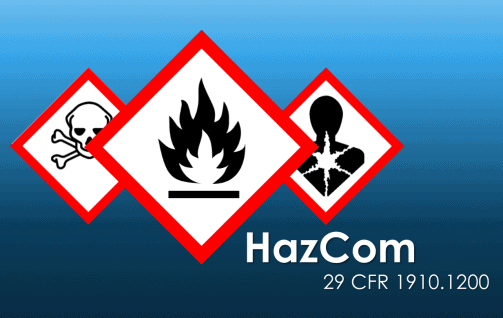
OSHA hazard classification is a structured process used to determine and communicate the risks associated with chemicals and work environments. It helps ensure that hazards are clearly labeled, properly documented, and effectively managed across facilities.
According to the Bureau of Labor Statistics, 2.6 million workplace injuries and illnesses were reported in private industry in 2023 alone. And while not all incidents are preventable, hazard classification errors and outdated Safety Data Sheets continue to cause avoidable problems. That’s why a working knowledge of how OSHA hazard classification works is essential.
Whether you manage compliance, run EHS audits, or update SDS libraries, this guide will help you lock in the knowledge you need to classify hazards accurately, streamline your documentation, and support a safer workplace.
What Is OSHA Hazard Classification?
OSHA hazard classification is the process used to sort and define the risks tied to chemicals or substances used at work. OSHA adopted the Globally Harmonized System (GHS) to keep this process consistent across industries.
This system helps create standard labels and safety data sheets (SDS) so that workers understand what they’re handling. In some respects, it also supports better decisions around personal protective equipment and storage. These classifications influence OSHA compliance across training, documentation, and communication.
What Are the Classifications of Hazards According to OSHA?
Hazards are sorted into three major groups. Each type comes with specific labeling requirements that, typically, appear on chemical containers and SDS.
Physical Hazards
These are the risks tied to how a substance behaves physically, especially under pressure, heat, or force. Physical hazards are usually connected to accidents like fires, explosions, or pressure-related incidents.
Some examples of physical hazards include:
- Flammable liquids or gases
- Explosive materials
- Compressed gases
- Reactive chemicals like peroxides
- Oxidizers that can fuel fires
Health Hazards
Health hazards deal with how a substance can affect someone’s body. This could be through skin contact, breathing, or ingestion. Some substances might take effect immediately, while others show impact over time.
These hazards might include:
- Cancer-causing chemicals (carcinogens)
- Chemicals that cause breathing problems
- Reproductive toxins
- Substances that damage skin or eyes
- Compounds that impact organs over time
Environmental Hazards
OSHA pays less attention to environmental hazards than to health or physical risks. Still, these hazards are included in the GHS model and appear on SDS managed under that system.
Environmental hazards could include:
- Chemicals that are toxic to aquatic life
- Substances that remain in the environment long-term
How the Classification Process Works
The hazard classification process includes three basic steps. These steps are used across industries, though the process might look a little different depending on the product or system in use.
First, you collect all the available information about a substance. This includes SDS data, scientific literature, product testing, or supplier documentation. Next, you compare that data to the criteria set in the GHS system.
Finally, you assign a classification and a severity rating based on those rules. The employer is usually responsible for making sure the data is accurate. That responsibility applies during SDS creation and whenever a new material is introduced.
Why OSHA Hazard Classification Matters for Compliance and Safety
OSHA hazard classification supports OSHA compliance and improves workplace safety standards. These classifications aren’t just for record keeping; they help reduce risk, protect workers, and support safety audits.
Some benefits of following this system include:
- Lower risk of OSHA violations and costly fines
- Faster emergency response with clearer data
- More effective PPE selection
- Fewer errors in storage, handling, or disposal
Employers who follow these steps usually have better training programs and fewer incidents. For example, a misclassified flammable solvent can lead to disaster during welding work. Accurate classification helps stop accidents like that from happening.
How SDS Management Supports Hazard Classification
Safety data sheets are the main way classification details are shared. They need to stay updated and available for every hazardous material on-site. Outdated SDS or missing information can lead to inspection failures or worker confusion.
That’s where systems like KHA’s Online-SDS come in handy. Our software stores SDS records, flags outdated data, and supports real-time mobile access. It connects hazard data, classification rules, and storage needs in one place. This makes it easier for teams to stay in step with safety regulations.
Managing SDS through digital platforms tends to be:
- Faster than manual record updates
- More accurate over time
- Easier to scale across departments
- Better for audit preparation
- More transparent for internal and external reviews
Frequently Asked Questions
Does OSHA Recognize Environmental Hazards in Its Classification System?
OSHA mainly focuses on physical and health hazards, yet environmental risks are still listed on many SDS because of GHS. Substances toxic to aquatic life or that persist in nature may still require classification under global models.
How Often Should Hazard Classifications Be Reviewed?
Hazard data should be reviewed whenever there’s a change, including new research, supplier updates, or product changes. A good rule of thumb is to do a full SDS audit once a year.
Can Third-Party Systems Help With Hazard Classification?
Yes. Many companies now use SDS management software to handle classification updates and compliance tracking. KHA, for example, offers automated flagging for missing hazard data and lets users instantly access SDS via mobile apps.
What’s the Difference Between Hazard Classification and Hazard Communication?
Classification defines the risk, like flammability or toxicity. Communication is how that info reaches workers through labeling, SDS, and OSHA training resources. Both are required parts of the Hazard Communication Standard.
Reduce Compliance Risk with Reliable SDS Management
Understanding OSHA hazard classification helps ensure accurate labeling, safer chemical handling, and improved decision-making across your safety programs. It’s the backbone of a strong hazard communication system and a critical part of keeping teams safe and compliant.
At Kelleher, Helmrich and Associates (KHA), we specialize in simplifying SDS and hazard data management. Our Online-SDS™ platform gives you instant access to an up-to-date SDS library, mobile-friendly tools, and reliable integrations with your existing systems. With over 35 years of experience, fast customer support, and industry-specific solutions, KHA offers much more than software.
Schedule a free demo today to see how KHA can help you maintain compliance and protect your workforce with confidence.