
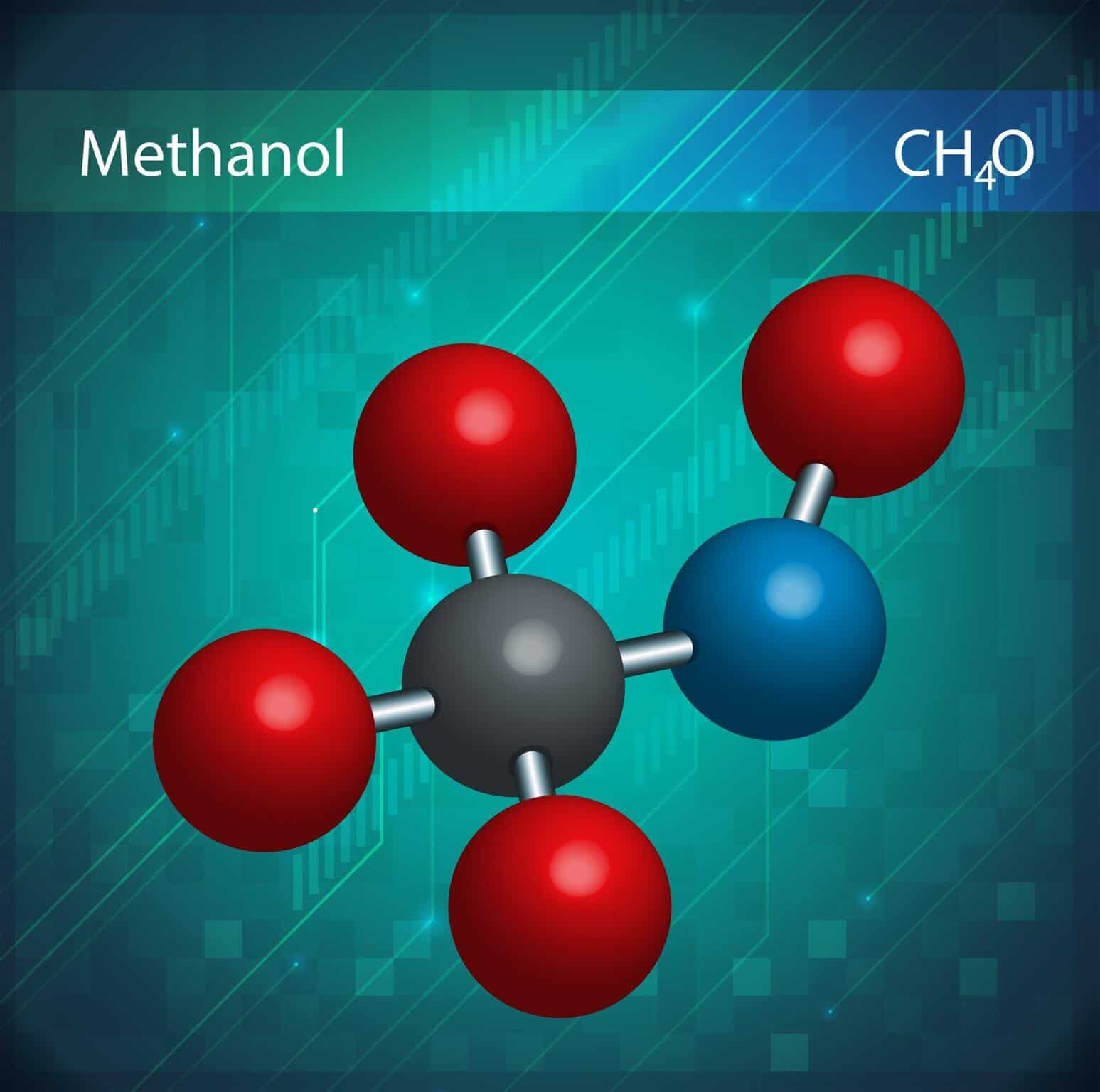
An SDS for methanol covers practical information, such as first-aid measures, firefighting and spill response guidance, and storage and transportation considerations. You can find SDSs for methanol with KHA’s online SDS solutions.
According to the Methanol Institute, methanol is highly versatile, and it’s found in things like paints, carpeting, and plastics. This means that it’s used in various industries, with many workers handling it on a daily basis.
Methanol is a chemical, so standard procedures must be in place for its safe handling. While having an SDS for methanol isn’t legally required, it can make a huge difference in workplace safety.
Where to Find SDS for a Chemical?
A safety data sheet (SDS) for a chemical can be found through several reliable sources, such as Kelleher, Helmrich and Associates, Inc. (KHA). The most direct source is the manufacturer or supplier of the chemical, as companies are required to provide an SDS with the product or make it available online.
You can also access SDSs through:
- Workplace chemical management systems
- Internal safety portals
- Binders maintained on-site
Key Sections Included in a Methanol SDS
An SDS for methanol is typically organized into a standardized 16-section format that’s established by the Globally Harmonized System of Classification and Labelling of Chemicals. Each section provides specific and practical information.
Here’s what each section covers:
- Section 1: Product and supplier identification
- Section 2: Hazard classifications and warning labels
- Section 3: Composition
- Section 4: First-aid measures
- Section 5: Firefighting procedures
- Section 6: Accidental release steps
- Section 7: Handling
- Section 8: Exposure controls
Later sections detail physical and chemical properties, as well as stability, toxicological data, and disposal considerations.
It’s important for people to understand how to navigate the sections for chemical safety guidelines, as that way, they can quickly locate critical safety information in an emergency. But they shouldn’t read the SDS from start to finish every time; instead, they should become familiar with where key details are located.
First-Aid Measures for Methanol Exposure
There are very specific first-aid instructions in an SDS that are essential in minimizing harm after methanol exposure. They include:
- Inhalation: Person moved to fresh air immediately and monitored for breathing difficulties
- Skin contact: Remove contaminated clothing and wash skin thoroughly with soap and water
- Eye exposure: Rinse with clean water for at least 15 minutes while holding the eyelids open
- Ingestion: Immediate medical attention (inducing vomiting isn’t typically recommended unless directed)
Do note that symptoms can be delayed, so even seemingly mild exposure should be treated seriously. Seek prompt medical care and provide responders with detailed exposure information so you can get appropriate and effective treatment.
Firefighting and Spill Response Guidance
Methanol SDS documents will have detailed procedures for dealing with fires and accidental releases. For instance, in the event of a fire, the recommended extinguishing agents are:
- Alcohol-resistant foam
- Dry chemical powder
- Carbon dioxide
Firefighters are advised to wear self-contained breathing apparatus since there are toxic combustion byproducts.
For spills, you should do the following:
- Eliminate ignition sources
- Ventilate the area
- Contain the liquid with non-combustible absorbant materials (such as sand or vermiculite)
- Prevent the chemical from entering drains or waterways
These response protocols are designed to protect both individuals and the environment during emergency situations.
Storage and Transportation Considerations
As part of the methanol safety precautions, there are thorough instructions in the SDS guidelines for proper storage and transport.
The chemical should be stored in a cool, well-ventilated area away from:
- Direct sunlight
- Heat sources
- Incompatible materials (such as strong oxidizers)
For transportation, methanol is classified as a hazardous material and must comply with regulations set by organizations like the United Nations for dangerous goods. This includes:
- Proper packaging
- Hazard labeling
- Documentation
It’s highly recommended to use secondary containment measures to prevent leaks during transit.
By following these guidelines, you ensure that methanol remains stable and secure from storage through delivery.
Frequently Asked Questions (FAQs)
What Are the Hazards of Methanol?
Methanol is a highly hazardous chemical with several serious health and safety risks. Not only is it flammable, but it’s also toxic, so it’s dangerous in several ways.
One of the most critical hazards is its toxicity when ingested, inhaled, or absorbed through the skin. Even small amounts can lead to symptoms, such as:
- Headaches
- Dizziness
- Nausea
- Confusion
Larger amounts can cause:
- Blindness
- Organ failure
- Death
Methanol vapors are also flammable and can form explosive mixtures with air, especially in confined spaces. In addition, prolonged or repeated exposure can damage the central nervous system.
What Hazards Do Not Apply for Methanol?
Methanol is certainly dangerous, but not all chemical hazards apply to it. For example, it’s not considered highly reactive or explosive under normal conditions without an ignition source. Plus, it doesn’t pose the same risk as strong oxidizers or reactive metals that can spontaneously ignite or react violently with water.
Methanol is also not classified as a carcinogen by major regulatory agencies. It isn’t corrosive like strong acids or bases, either, so it doesn’t cause severe chemical burns on contact (it can still irritate the skin and eyes).
Lastly, it doesn’t present significant environmental persistence compared to some hazardous chemicals since it biodegrades relatively quickly under natural conditions.
How to Handle Methanol Safely?
Handling methanol safely requires a combination of:
- Proper storage
- Protective equipment
- Good methanol handling procedures
For example, it should always be used in well-ventilated areas or under a fume hood to prevent the buildup of toxic vapors. Also, proper training and access to an SDS compliance checklist are essential for anyone working with methanol.
Have a Proper SDS for Methanol at Your Workplace
Now, you should have a basic understanding of what an SDS for methanol should contain. If your workplace uses this chemical and doesn’t currently have an SDS for it, then get one immediately.
Not only can such a document prevent costly accidents and events, but it can also inform your team about what to do in case of emergencies. This can be invaluable, as it can decrease the chances of the workplace coming to a standstill.
If you’re interested, then schedule a demo with us now. KHA has been in the industry since 1985 and has supported over 1,000 organizations.