
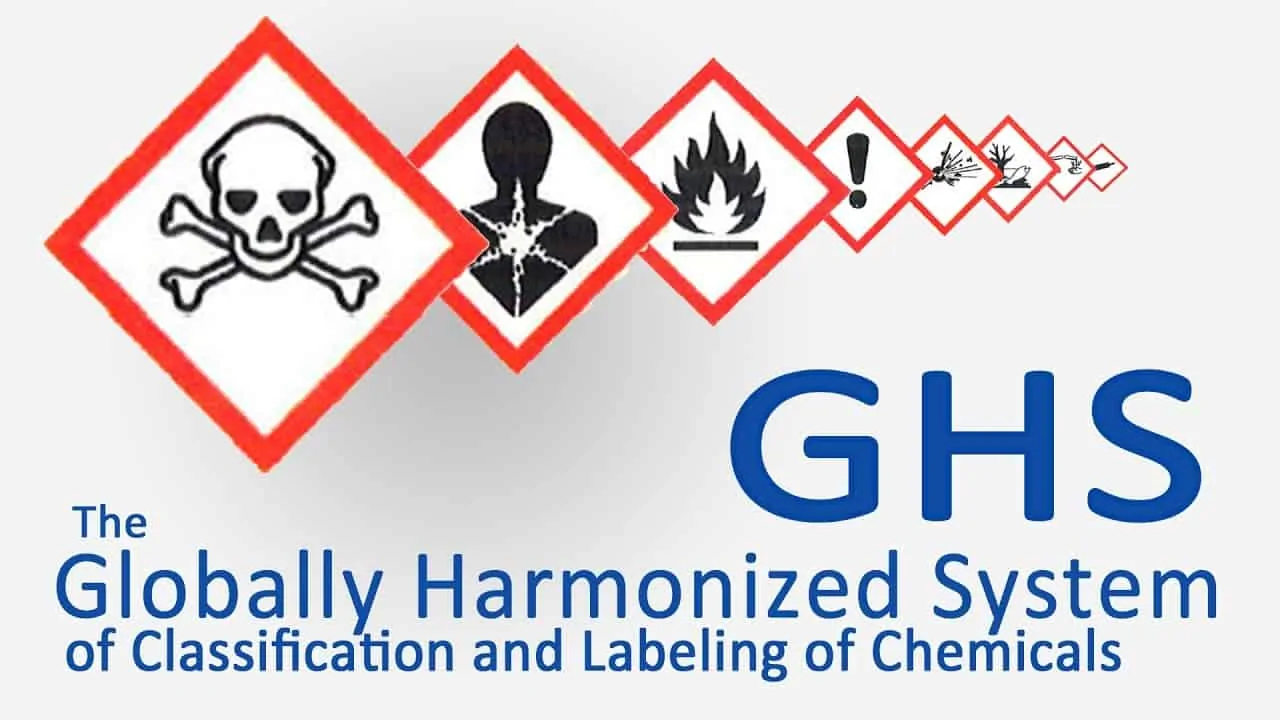
Understanding GHS classification helps organizations protect employees, meet regulatory expectations, and manage chemical risks with confidence. A structured approach to chemical hazards supports compliance, clarity, and consistent safety communication. Strong classification systems reduce confusion and support informed decision-making across operations.
Chemical hazards exist in nearly every workplace. Labels, symbols, and documentation guide safe handling.
Clear standards prevent misinterpretation. GHS classification provides a global framework that helps safety leaders reduce risk and protect workers.
Clear hazard communication reduces confusion and prevents avoidable incidents. Organizations benefit when chemical information remains consistent across labels, training, and documentation.
Structured safety systems help leaders reduce risk and improve compliance. A unified global standard strengthens everyday safety practices.
What Is GHS Classification?
GHS classification refers to the Globally Harmonized System for classifying and labeling chemicals. The system establishes a unified method for identifying chemical hazards and communicating risks clearly. Governments, regulators, and industries around the world rely on this framework to improve chemical safety and reduce workplace incidents.
The framework standardizes how hazards are grouped, defined, and presented. Hazard classes describe the type of risk, while categories indicate severity. Pictograms, signal words, and hazard statements work together to communicate danger quickly.
Standardization ensures workers receive the same safety information regardless of country, supplier, or facility. Consistent messaging reduces confusion and misinterpretation.
Safety professionals gain a reliable structure for:
- Training programs
- Compliance efforts
- Chemical risk assessments
GHS classification also supports global trade by aligning safety expectations across borders. Suppliers and employers benefit from predictable labeling and documentation requirements. A unified system strengthens workplace chemical safety at every level of an organization.
Why Is GHS Classification Important for Workplace Safety?
Workplaces handle chemicals in manufacturing, healthcare, laboratories, and maintenance. Inconsistent labeling increases risk. Workplace chemical safety improves when employees understand hazards quickly.
A unified system supports:
- Clear identification of physical, health, and environmental hazards
- Faster response during spills or emergencies
- Improved training outcomes
- Stronger regulatory alignment
Strong chemical communication prevents accidents before they occur.
How the Hazard Classification System Works
The hazard classification system evaluates chemicals based on specific criteria. Each hazard class includes defined categories. Categories reflect severity.
Major hazard classes include:
- Physical hazards such as flammability or reactivity
- Health hazards such as toxicity or carcinogenicity
- Environmental hazards affecting aquatic life
Classification determines label elements and documentation requirements. Accuracy ensures workers receive correct guidance.
GHS Label Elements and Chemical Labeling Standards
Chemical labeling standards ensure labels communicate risk at a glance. GHS labels include harmonized elements used globally.
Required label components include:
- Product identifier
- Signal word
- Hazard statements
- Precautionary statements
- Pictograms
Each element plays a specific role. Pictograms provide visual warnings.
Signal words highlight severity. Hazard statements explain risk clearly.
The Role of Safety Data Sheets
Safety data sheets provide detailed chemical information. The GHS format standardizes content into 16 sections. Consistency supports fast access during routine use and emergencies.
Key SDS benefits include:
- Clear hazard identification
- Safe handling and storage guidance
- Exposure control information
- Emergency response instructions
Well-managed SDS systems reduce downtime and support compliance. Accurate documentation strengthens safety programs.
GHS Safety Practices in Daily Operations
GHS safety practices extend beyond labels and documents. Daily application determines effectiveness. Training ensures workers understand symbols and instructions.
Best practices include:
- Regular employee training
- Updated chemical inventories
- Easy SDS access
- Routine audits
Safety leaders benefit from digital tools that centralize information. Efficient systems improve response time and accountability.
OSHA Alignment and U.S. Compliance
In the United States, OSHA integrates GHS into the Hazard Communication Standard. Employers must classify chemicals, label containers, and maintain SDS access.
Compliance supports:
- Reduced regulatory risk
- Improved employee awareness
- Consistent hazard communication
Many organizations seek support to manage complex requirements. KHA Online-SDS Management supports businesses across the United States, including operations headquartered in Illinois, with scalable compliance solutions.
Managing SDS Digitally for Better Control
Paper-based systems slow down response. Digital SDS management improves accessibility and accuracy. Centralized platforms support audits, inspections, and training.
Advantages include:
- Real-time updates
- Mobile access
- Simplified distribution
- Secure archival
Technology strengthens workplace chemical safety when paired with strong processes.
Training Employees on GHS Classification
Effective training turns information into action. Employees must recognize hazards and respond correctly. Short, focused sessions improve retention.
Training programs should cover:
- Pictogram recognition
- Label interpretation
- SDS navigation
- Emergency procedures
Well-trained employees form the foundation of a safe workplace.
Frequently Asked Questions
How Often Should GHS Labels and SDS Be Reviewed?
GHS labels and SDS should be reviewed whenever new hazard information becomes available or when chemicals change. Regular annual reviews help organizations confirm accuracy. Regulatory updates may also require revisions.
A proactive review schedule reduces compliance gaps and improves readiness during inspections. Digital systems simplify update tracking and version control.
Clear documentation control also helps organizations demonstrate due diligence during audits. Ongoing review processes reduce the risk of outdated hazard information reaching employees.
Does GHS Classification Apply to All Industries?
GHS principles apply across industries that handle hazardous chemicals. Manufacturing, healthcare, education, transportation, and municipalities rely on standardized communication. Industry-specific regulations may add requirements.
GHS provides the baseline framework that supports safe chemical management regardless of sector. Consistent adoption improves cross-industry understanding.
Organizations operating across multiple locations benefit from uniform labeling and documentation. Standardization also improves supplier and contractor communication.
How Does GHS Support Emergency Response Planning?
GHS classification improves emergency response by providing clear hazard information before incidents occur. First responders can quickly identify risks using labels and SDS.
Accurate classification supports faster containment and medical response. Emergency planning benefits from reliable chemical data that remains consistent across facilities.
Pre-incident planning becomes more effective when responders understand hazards in advance. Consistent chemical data reduces confusion during high-pressure emergency situations.
Strengthen Safety With GHS Classification and Schedule a Demo
A strong GHS classification strategy supports compliance, clarity, and confidence. Organizations benefit from systems built to evolve with regulatory change.
KHA Online-SDS Management delivers decades of experience in SDS management, pairing advanced digital tools with hands-on, responsive support. Long-standing expertise allows teams to implement solutions that align with real operational needs rather than generic templates. Flexible system design and seamless integration help organizations manage SDS access, distribution, and updates without disrupting existing workflows.
Contact our team today to see how a modern, user-friendly platform can streamline chemical safety, enhance compliance, and support safer workplaces.